
Intentional Spaces

Our local guide, Miki, picked us up in the morning and we drove out to the ferry across the Seto Inland Sea to Miyajima.
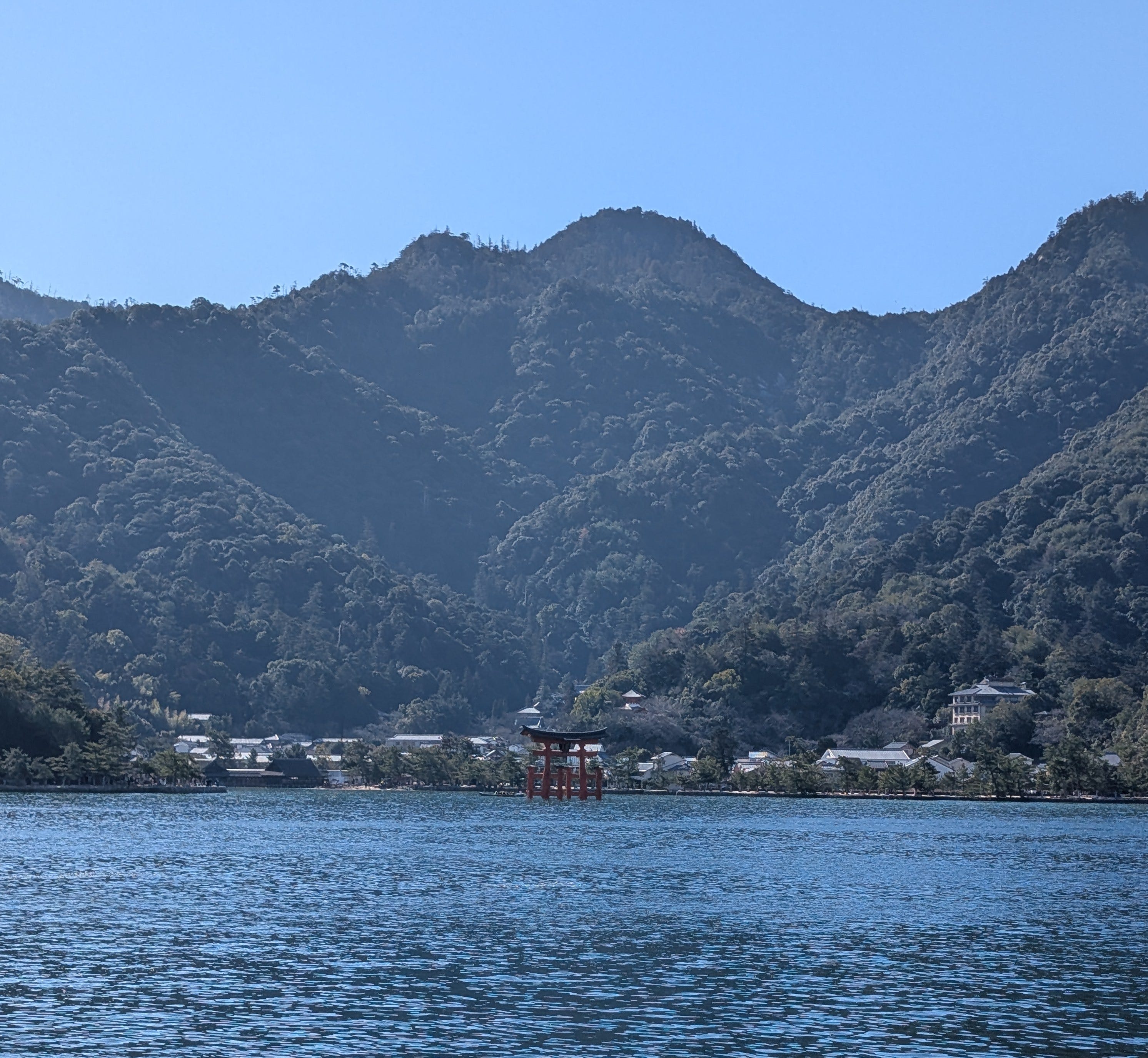
The island, which is said to resemble a sleeping Buddha, is home to the Itsukushima Shrine and its famous Floating Torii.
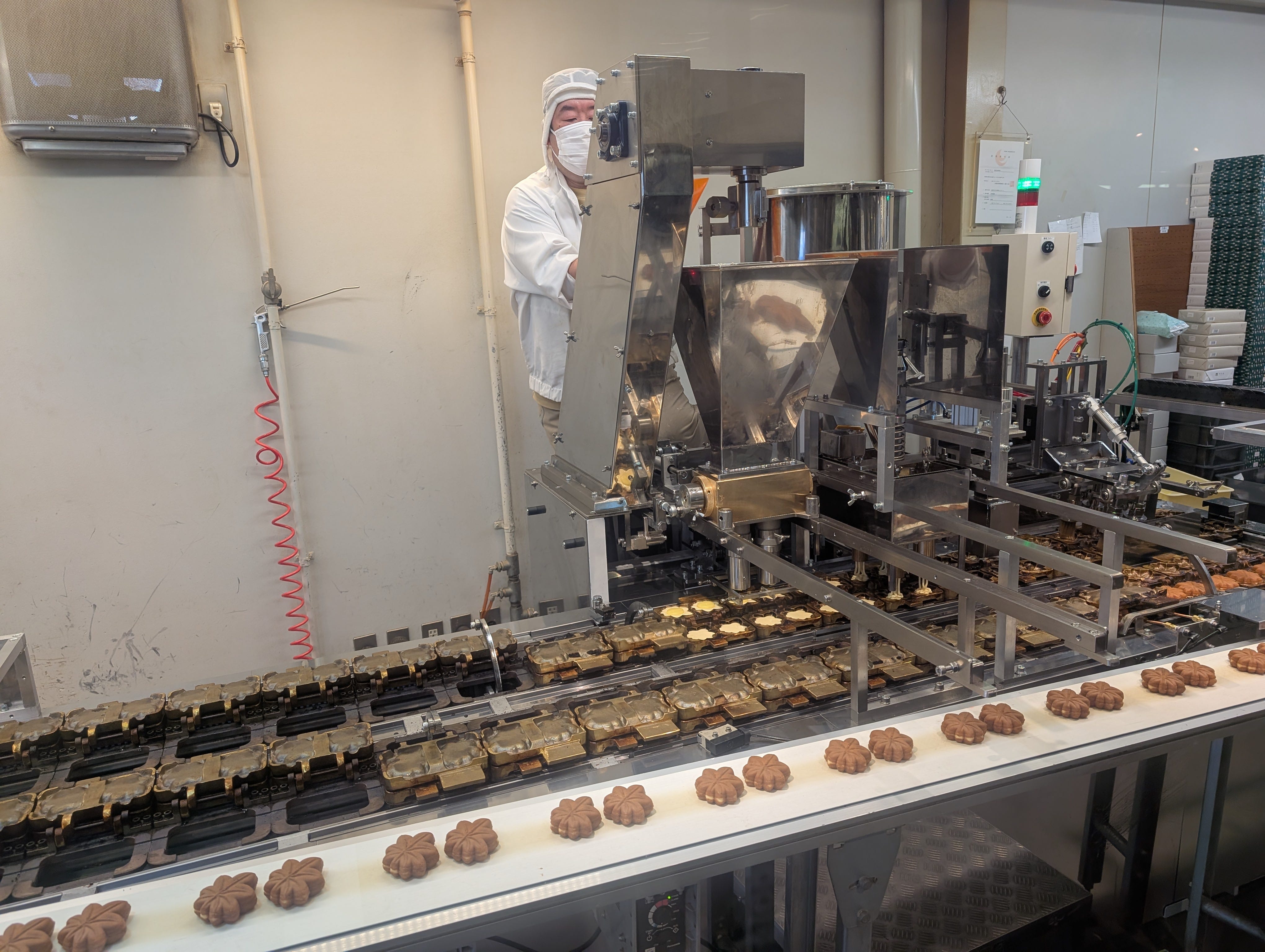
The island is also famous for momiji manju, maple leaf shaped cakes filled with red bean paste, custard cream, chocolate, or cheese. We sampled the first three of those in the deep-fried version known as agemomiji.
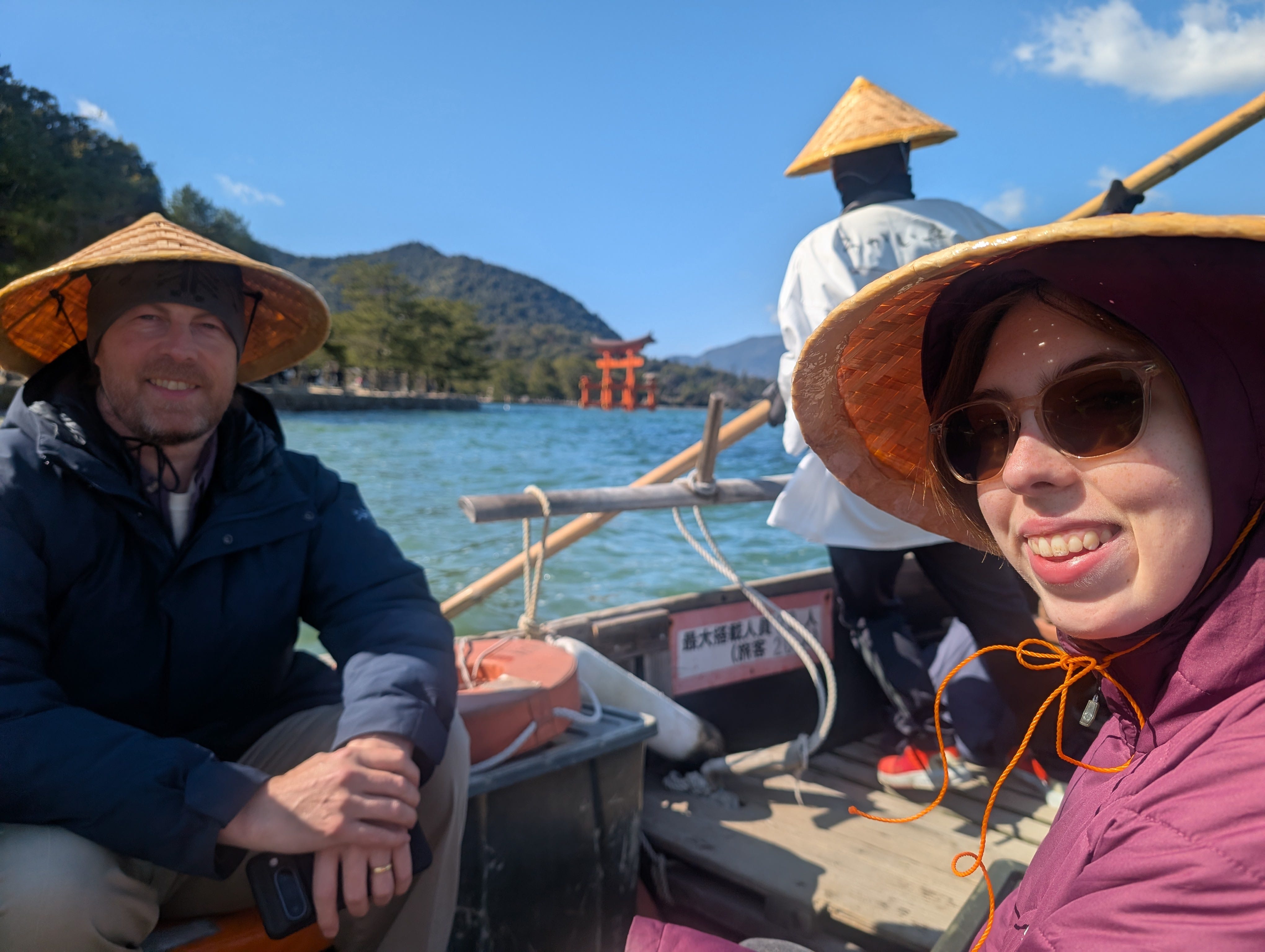
We boarded a boat and were rowed out to pass through the torii. It is not actually floating, but resting on stone footings set on top of pine pilings sunk into the seabed. The top beam is hollow and weighted with stones to hold it down. Its base is only flooded at high tide; at other times it is possible to walk out to the gate on the sand flats.
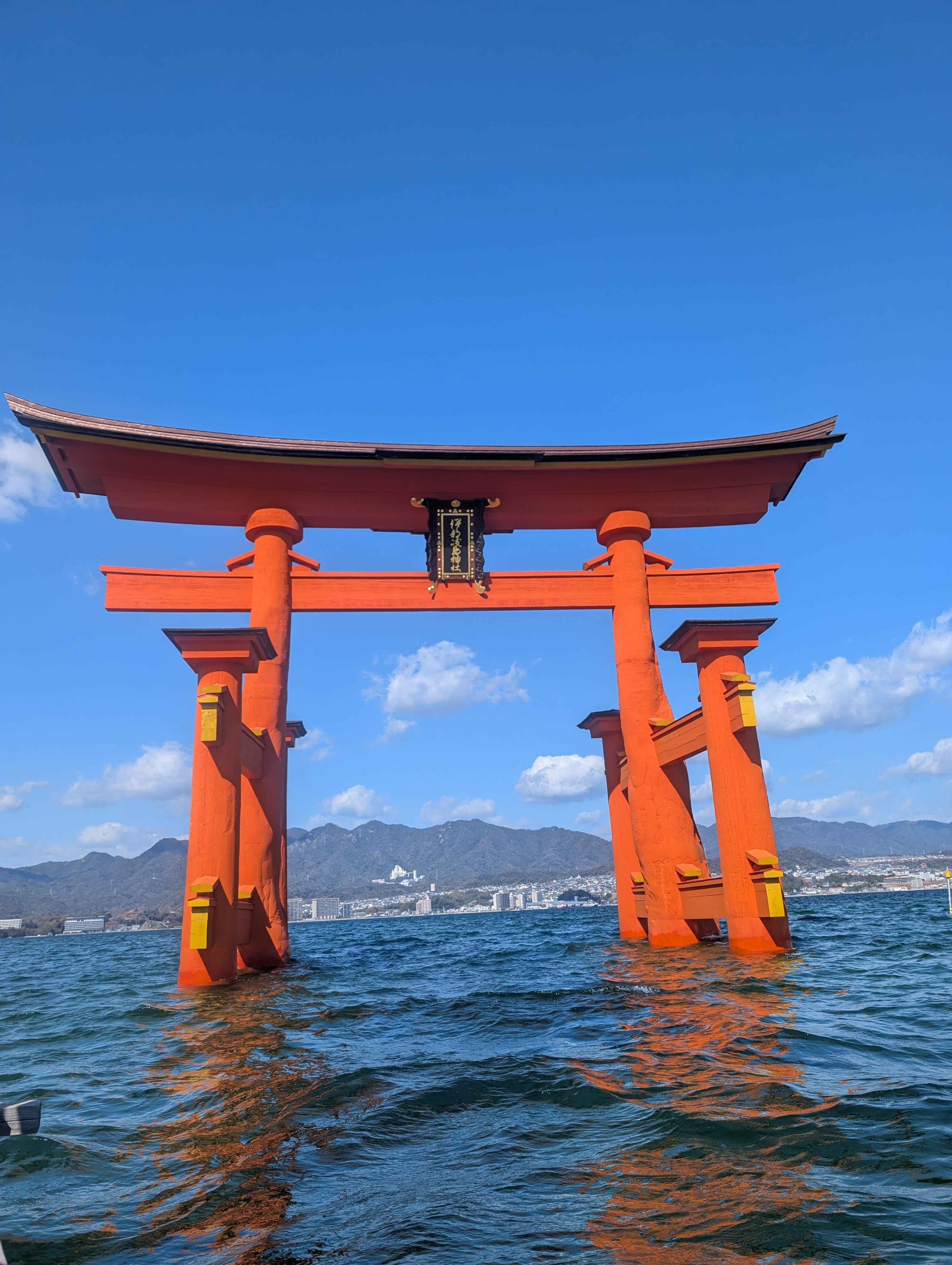
The gate was originally erected in the 12th century and has been replaced several times. The current posts are made from 500-year old camphor trees, which are very resistant to decay. Drifting through the gate on a beautiful day was a lovely experience and I'm glad to have pushed for us to do that.
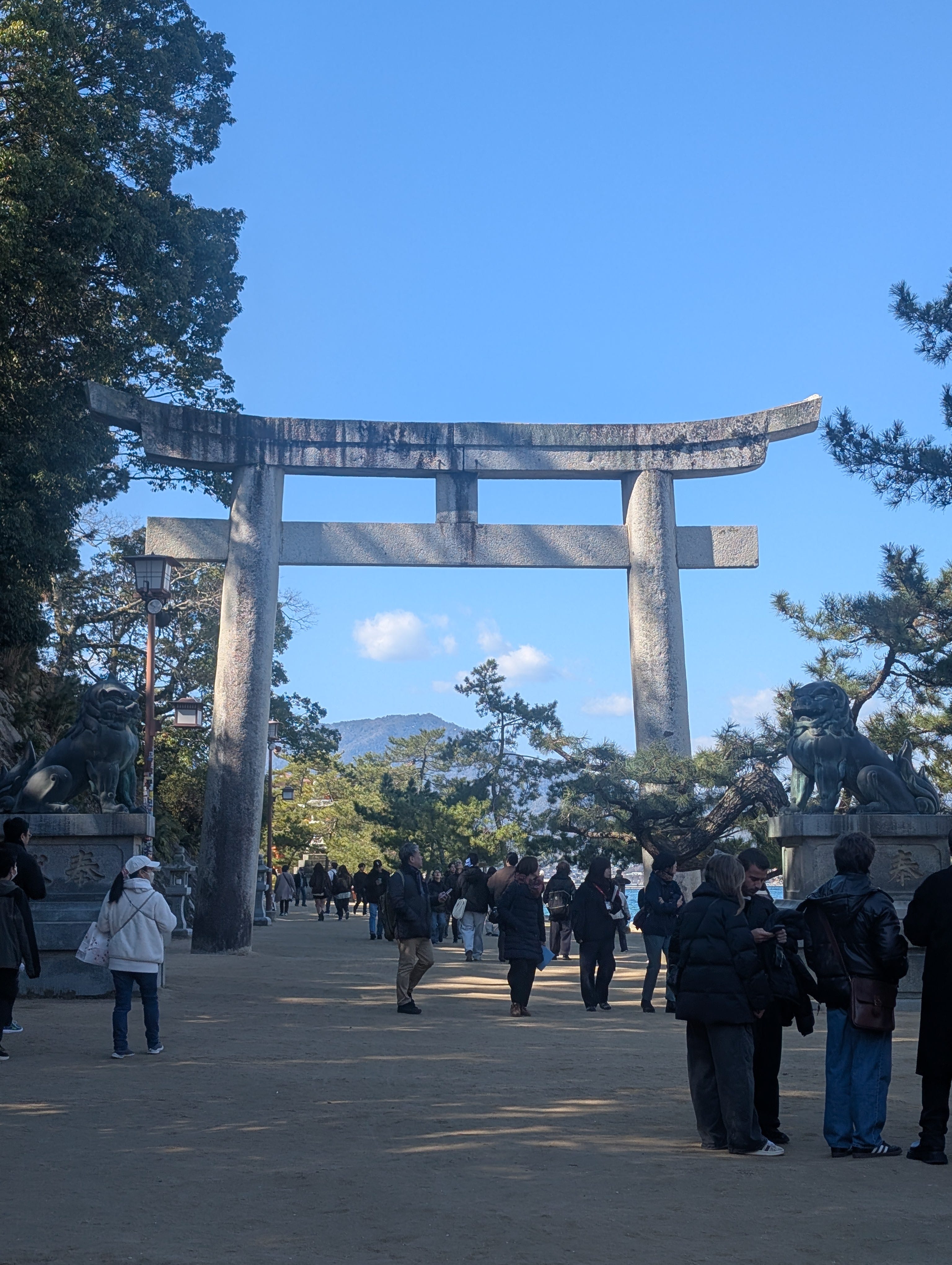
Back on land we walked through the more pedestrian stone gate, flanked by the first of several sets of lions that guard the shrine.
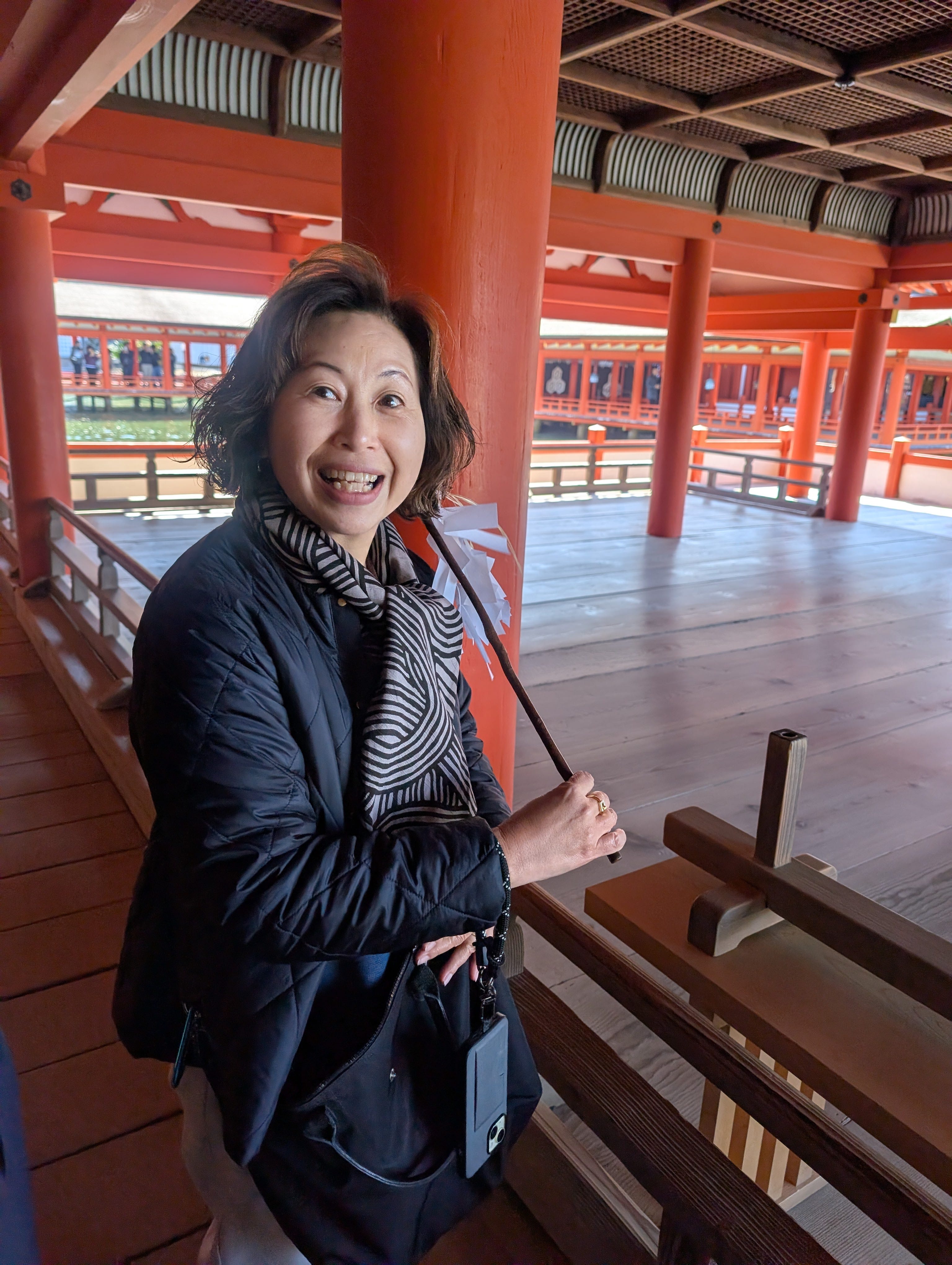
Miki showed us how to bless ourselves at the entrance with lightning papers attached to sticks, which you flick over your shoulders to drive out any evil trying to hitch a ride.
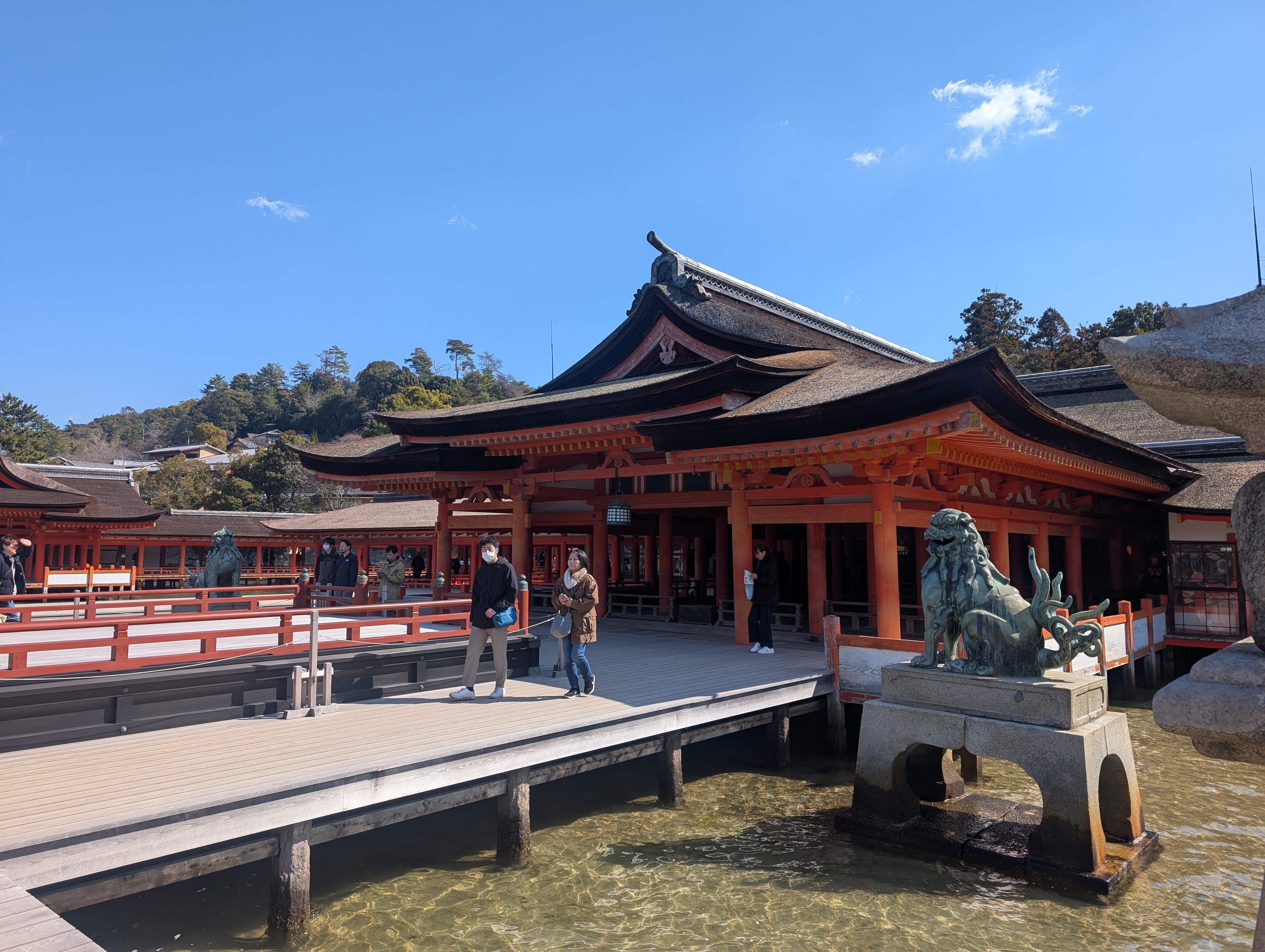
We stopped at the main honden, or prayer hall, and made wishes to the sanjoshin, three sister goddesses of sea and storm.
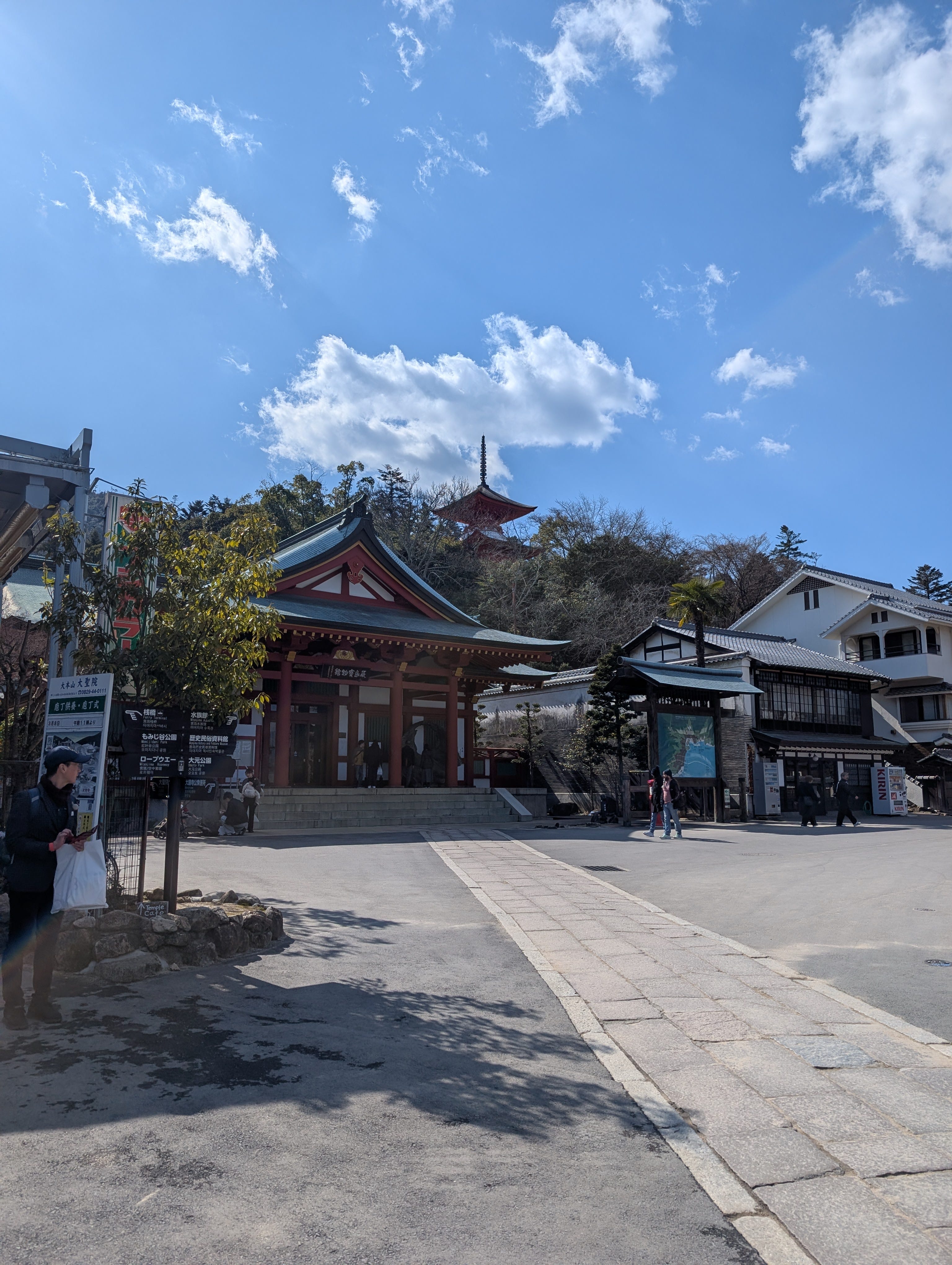
The entire shrine is built on piers over the water. We continued through it to the Daisho-in Buddhist temple, back on land. Shinto and Buddhism were intertwined in Japan for centuries until they were separated by imperial order in 1868.
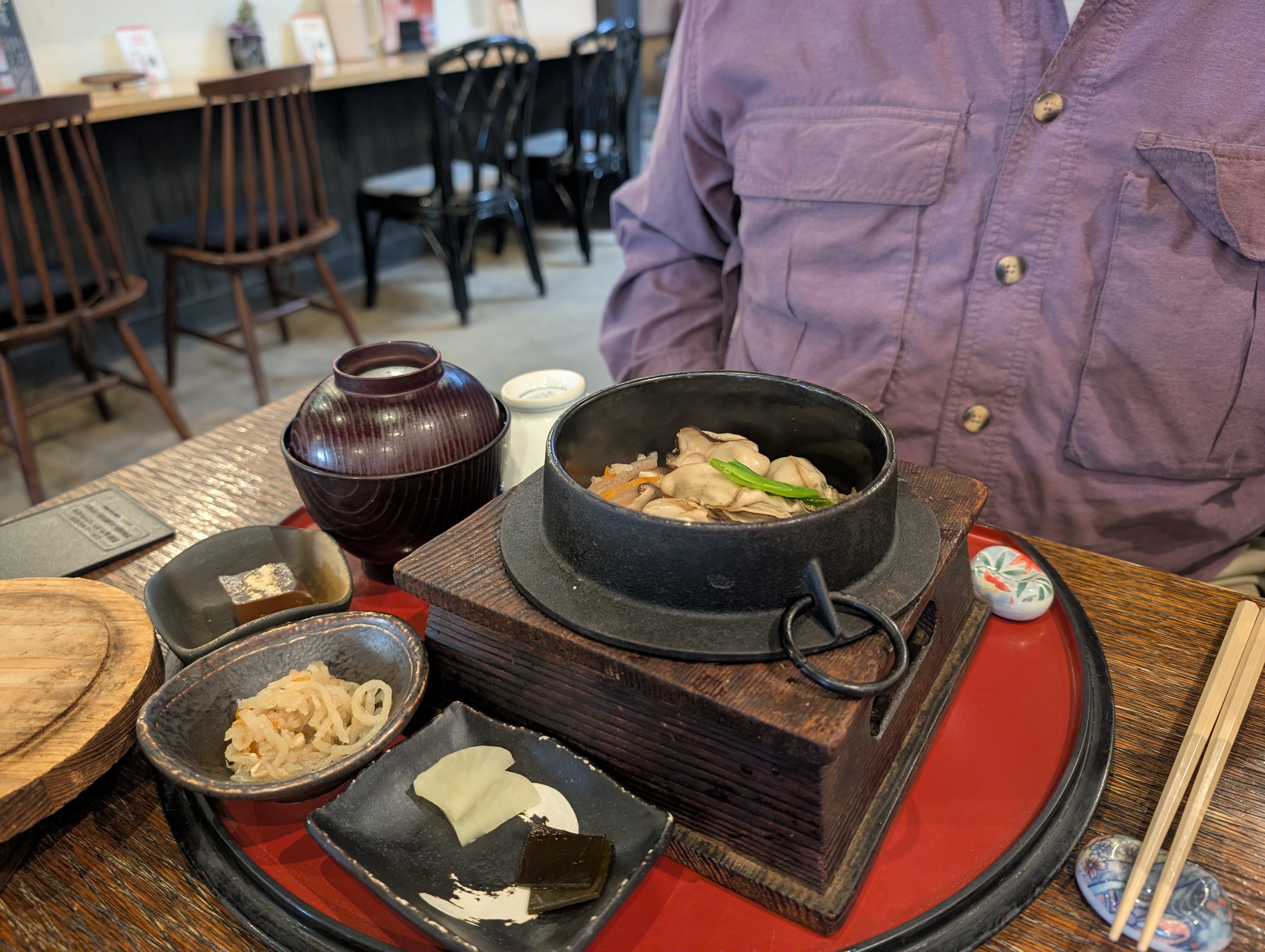
From there we strolled back toward the shopping district, where Miki took us to lunch at a restaurant specializing in oysters from the local farms we saw from the ferry on our way back to the mainland.
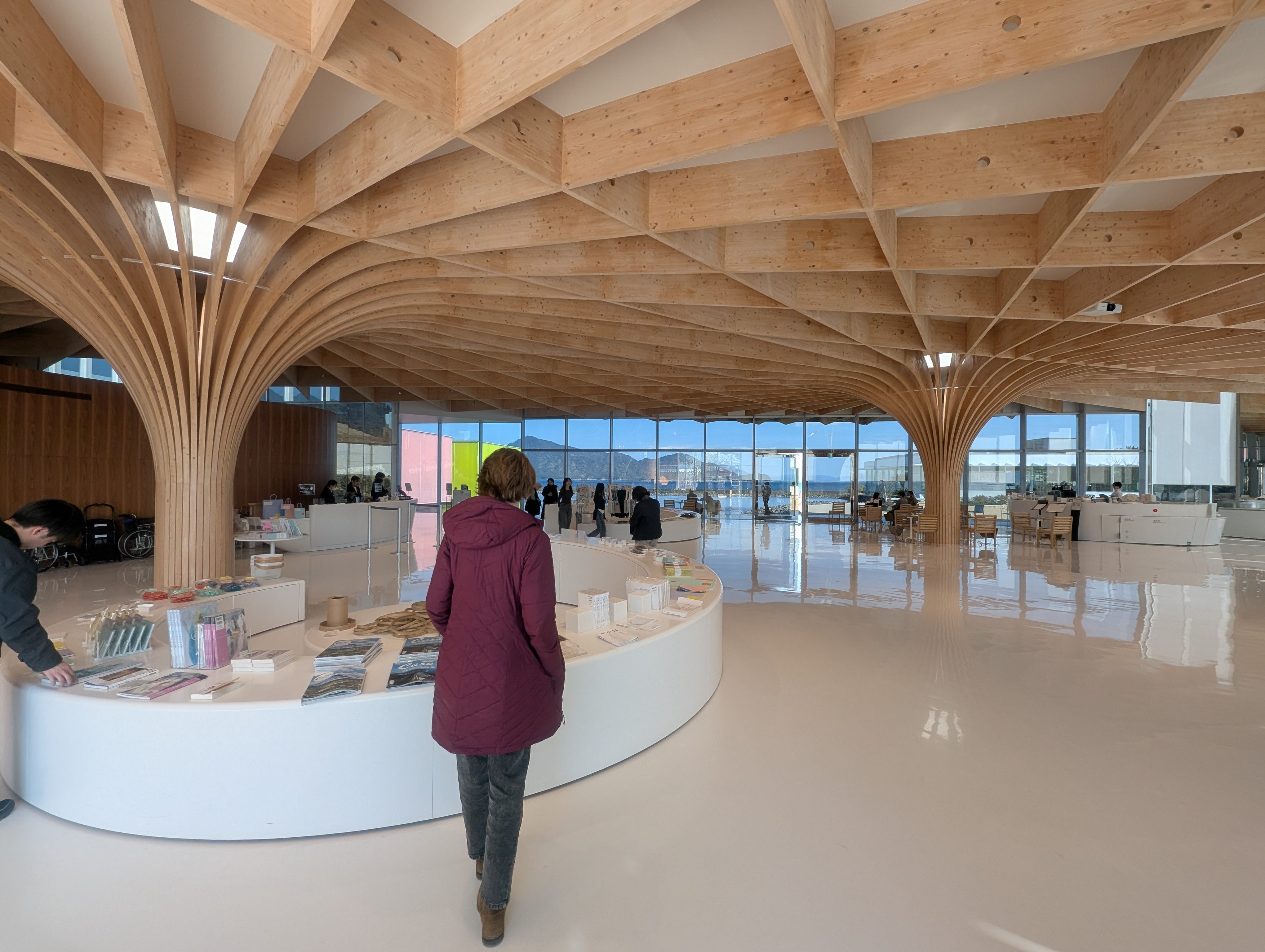
Our next destination was the Shimose Art Museum, designed by Shigeru Ban to house the collection of the Shimose family, founders of Marui Sangyo Co., Ltd., a major manufacturer of construction materials. Shigeru Ban is one of Alice’s favorite architects, so this was very exciting to see in person.
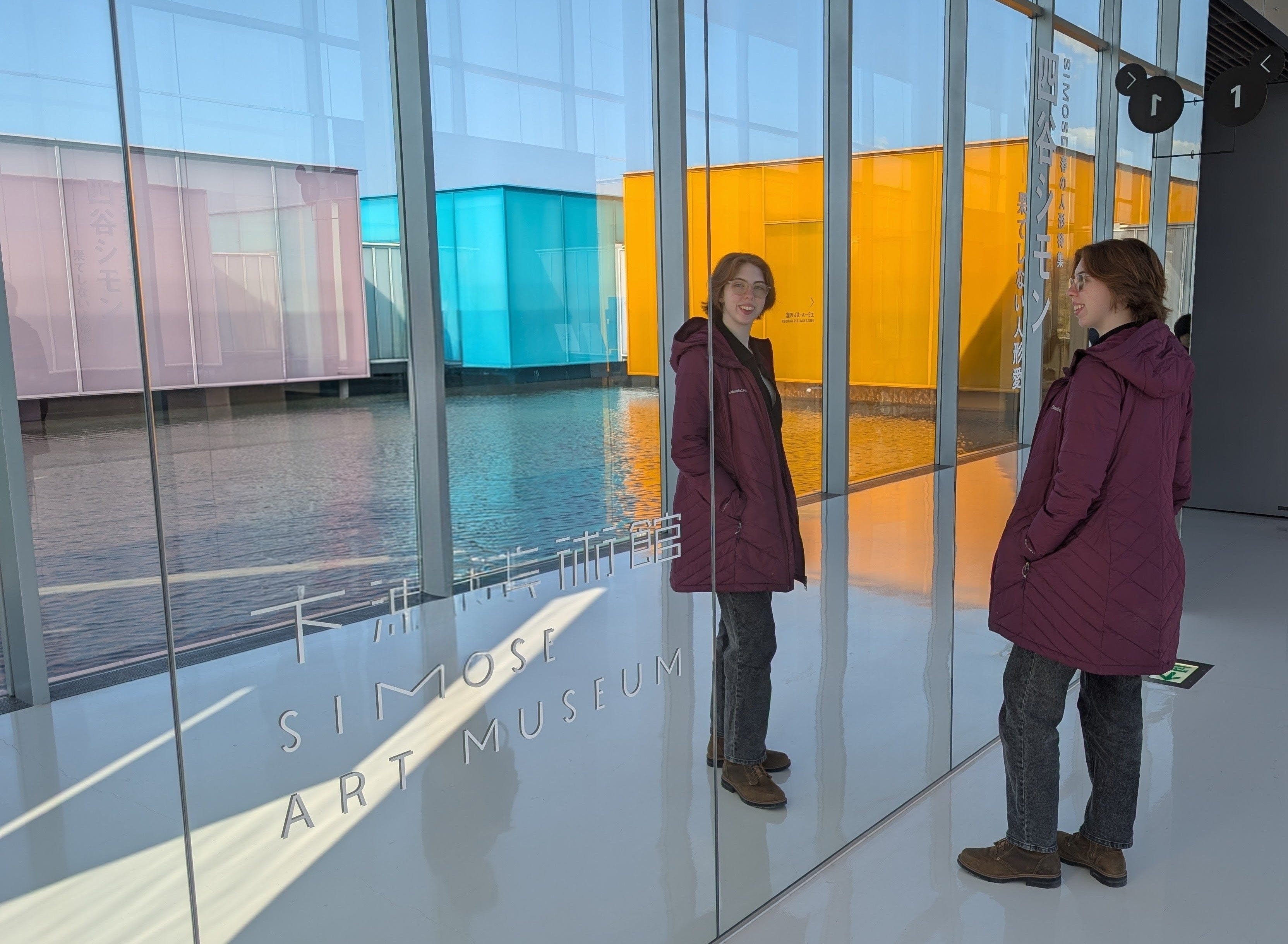
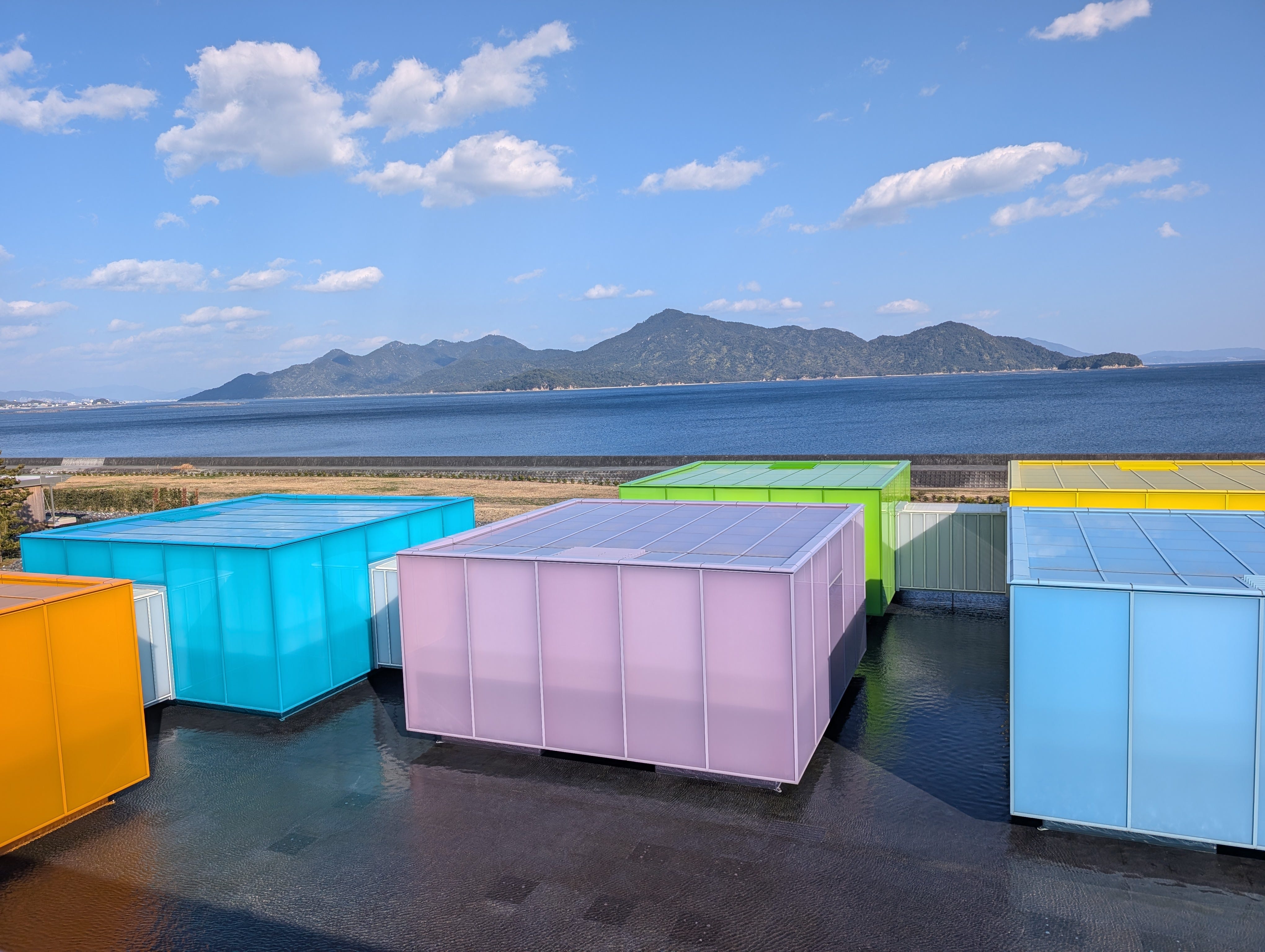
The most famous part of the museum is a set of eight brightly colored galleries floating in a basin of water. They can be rearranged to suit the requirements of different exhibitions by adjusting the water levels. The museum was awarded the Prix Versailles in 2024 as the “Most Beautiful Museum in the World.”
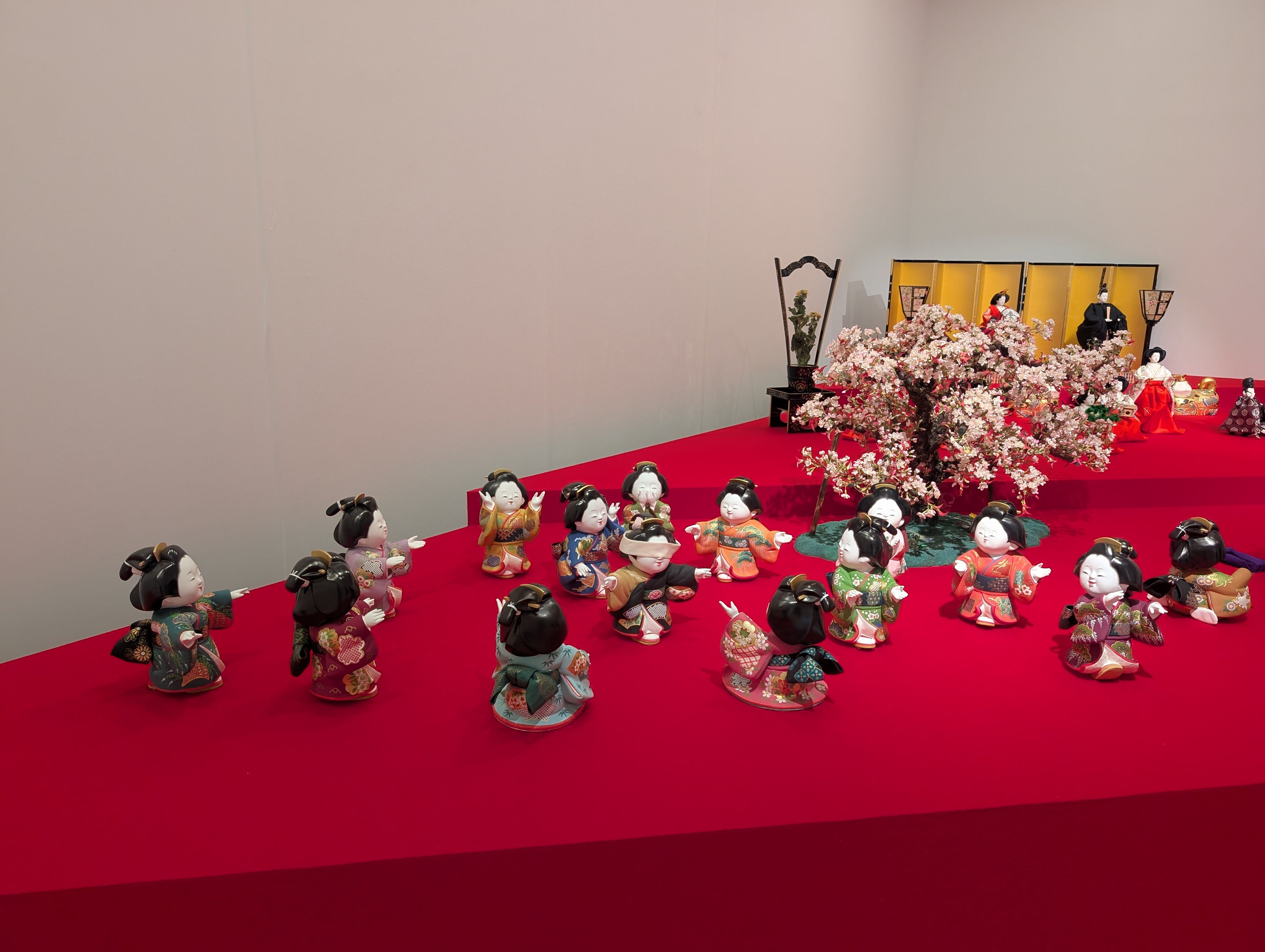
Dolls are an important element of Japanese culture and the museum has an extensive collection. I particularly enjoyed this group of Hina dolls from the Maruhei Oki Doll Shop in Kyoto. They represent court ladies playing a game and were displayed in the living room of the Shimose family home. Hina dolls are considered auspicious and having them in the home is said to ward off evil spirits.
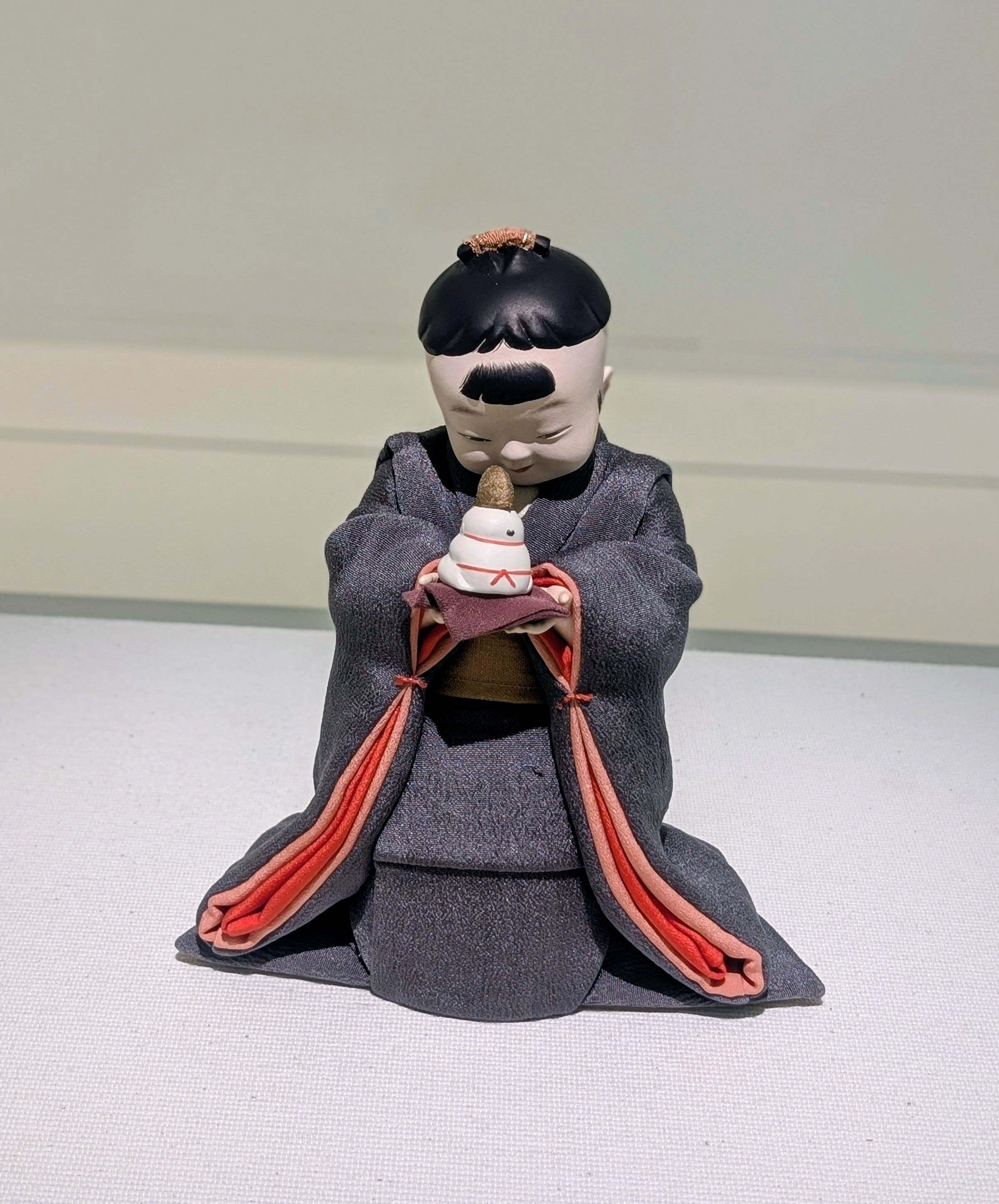
I also loved this doll by Goyo Hirata, who looks so pleased with a Hina doll of her own.
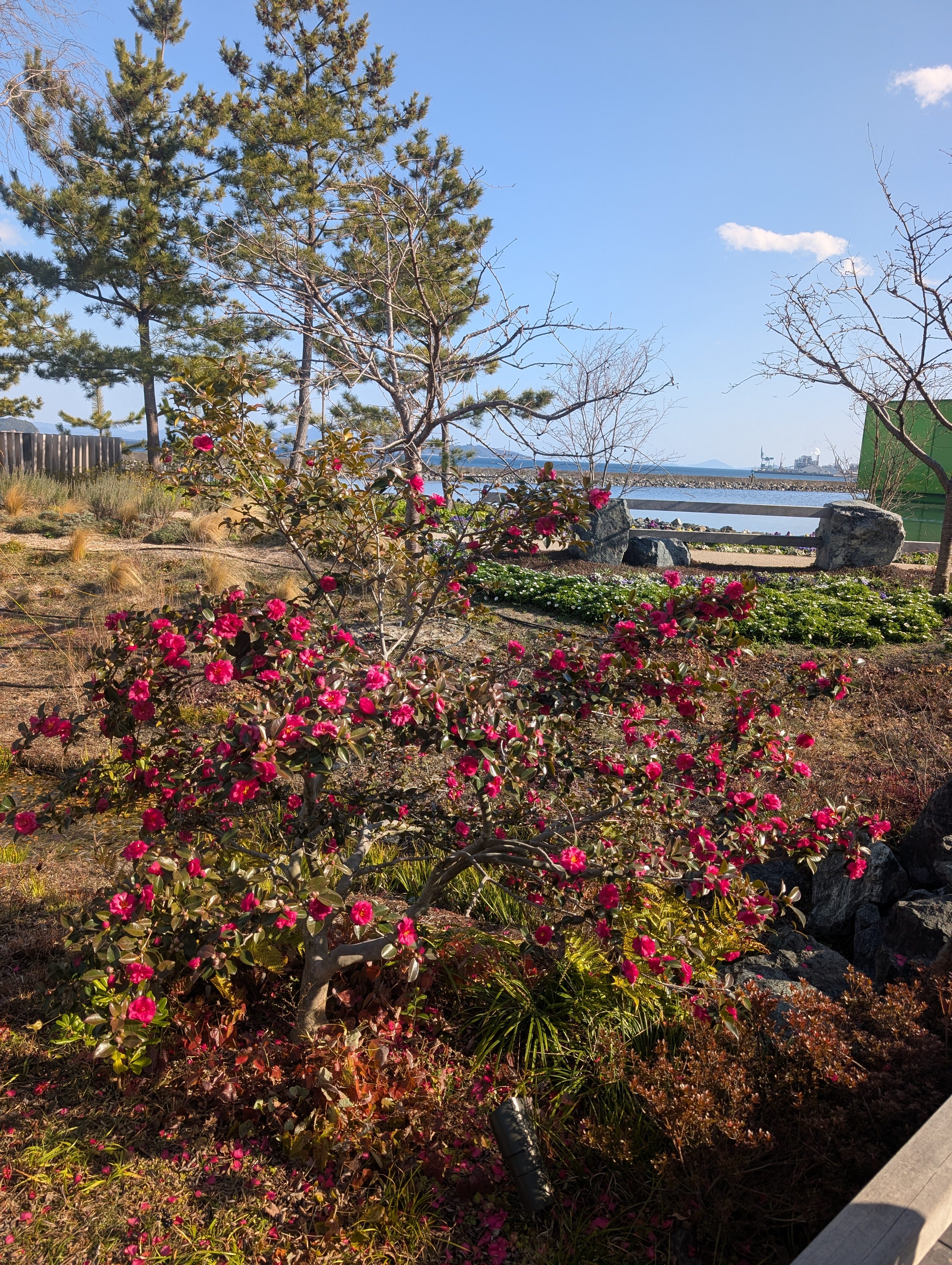
After viewing the exhibits inside we wandered out into Emile Gallé’s Garden, named for the French glass artist whose Art Nouveau works form another significant part of the museum’s collection.
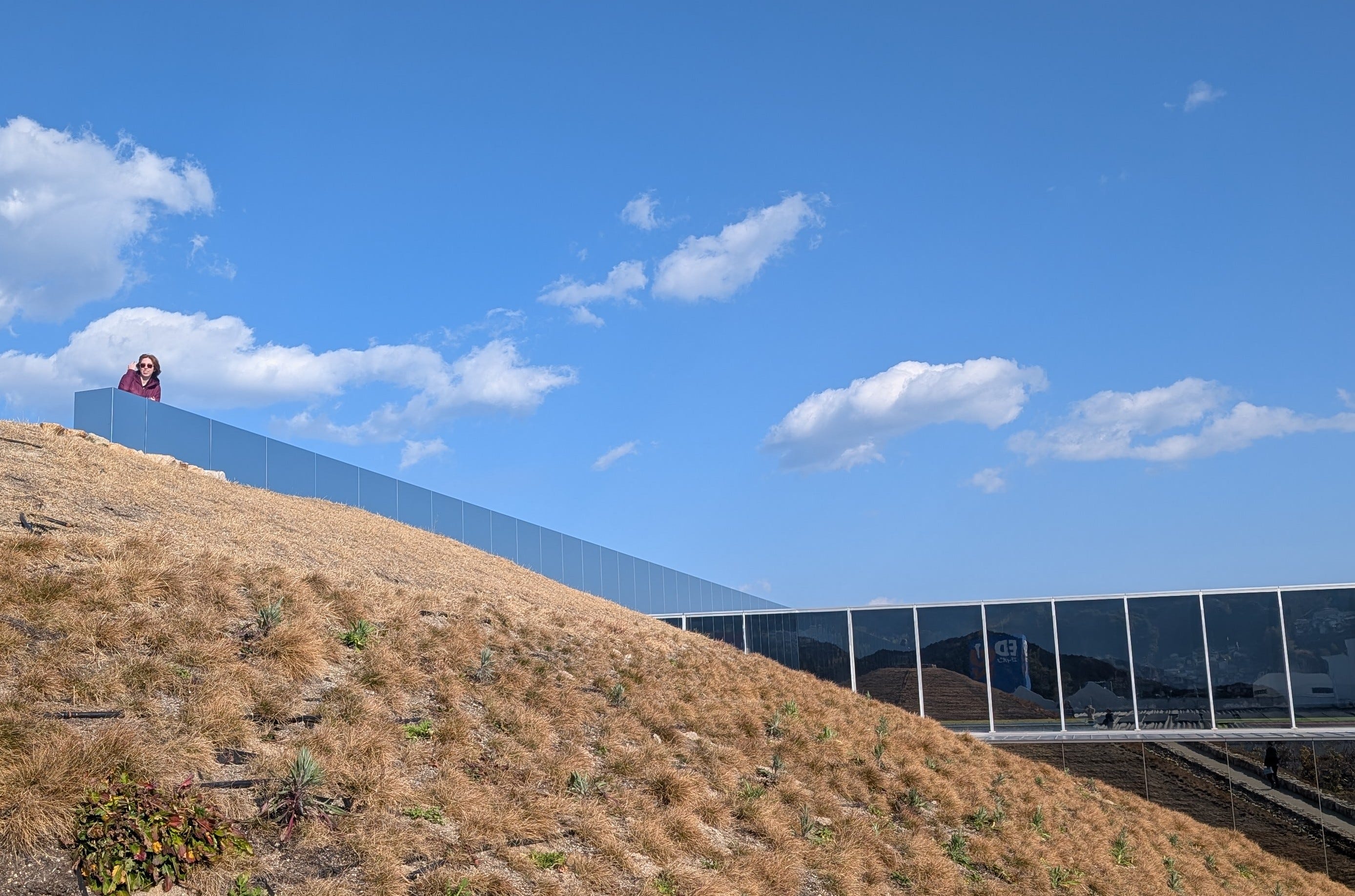
On the other side of the core structure we climbed a hill up to a terrace hidden by a mirror wall that blends the museum into the sky. From the top we had an overview of the floating galleries, with the inland sea and Miyajima beyond.
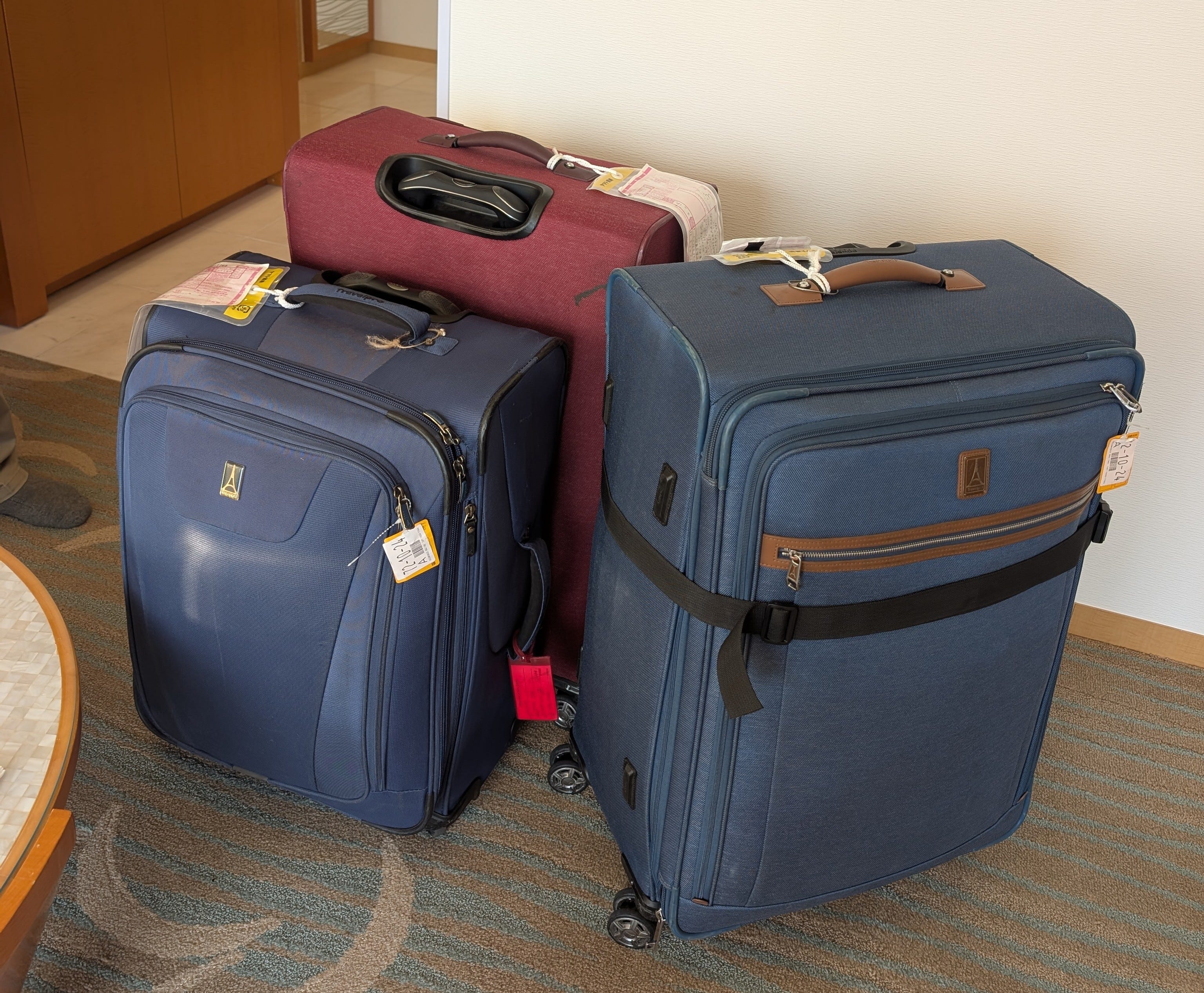
Then it was time to head back into the city and have a break before our dinner. And when we arrived at the hotel, our luggage had finally arrived, as well!
When Asia Concierge offered us options for Hiroshima we weren't excited with the first two they suggested and encouraged them to try again. Miki was surprised by the one they came up with, saying that it's relatively new and not many people know about it. What a find!
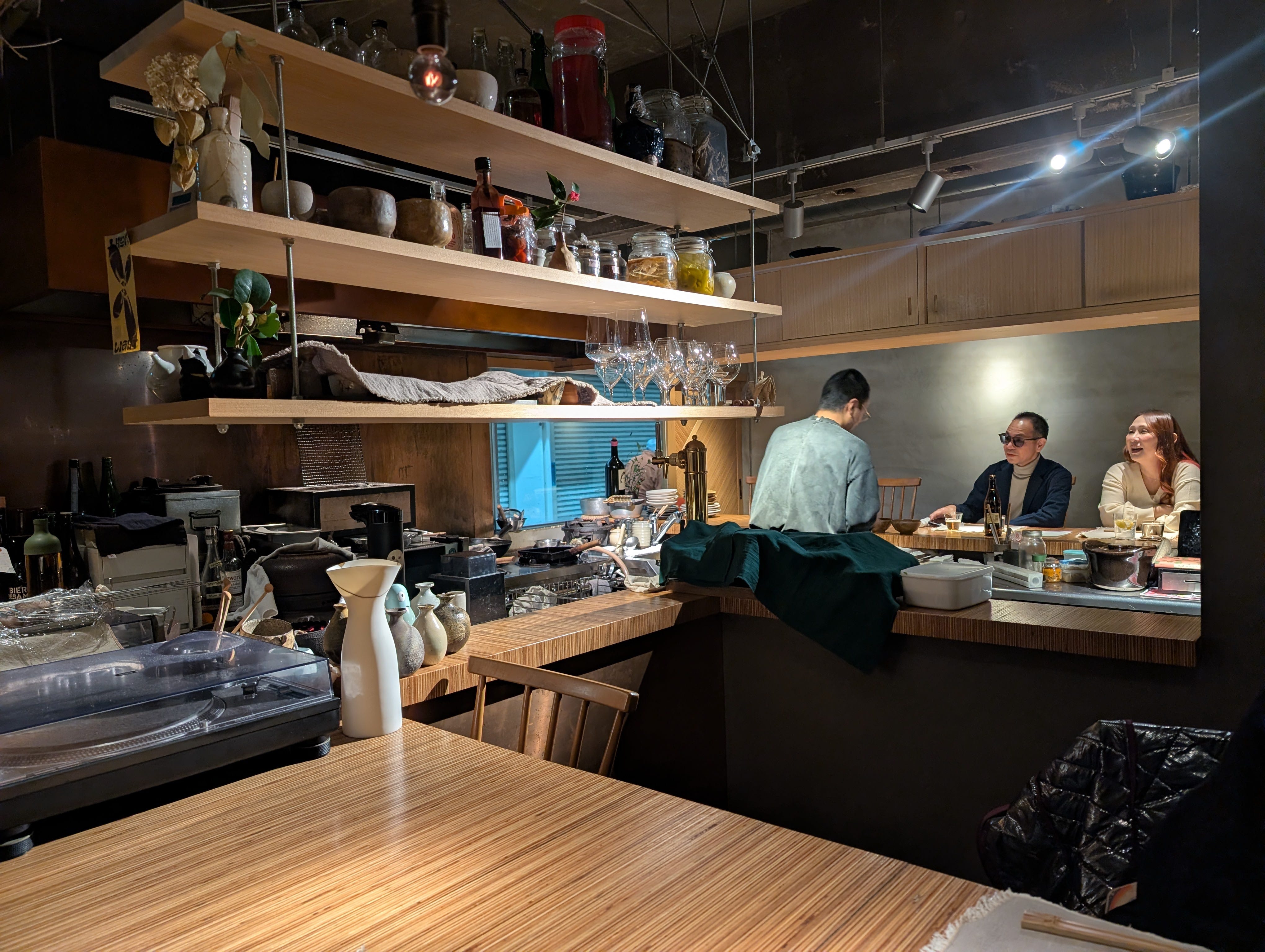
We took a taxi to a deserted-looking shopping mall and were wandering down a row of shuttered shops when a young man came out and ushered us into Jimi Ippo. It is a tiny space that would be very crowded if all twenty seats were filled, but there were only five diners that evening, including us.
There is no menu and neither the chef, nor the server speak much English, but with the help of translation apps we managed to understand at least something about the incredible food we were eating.
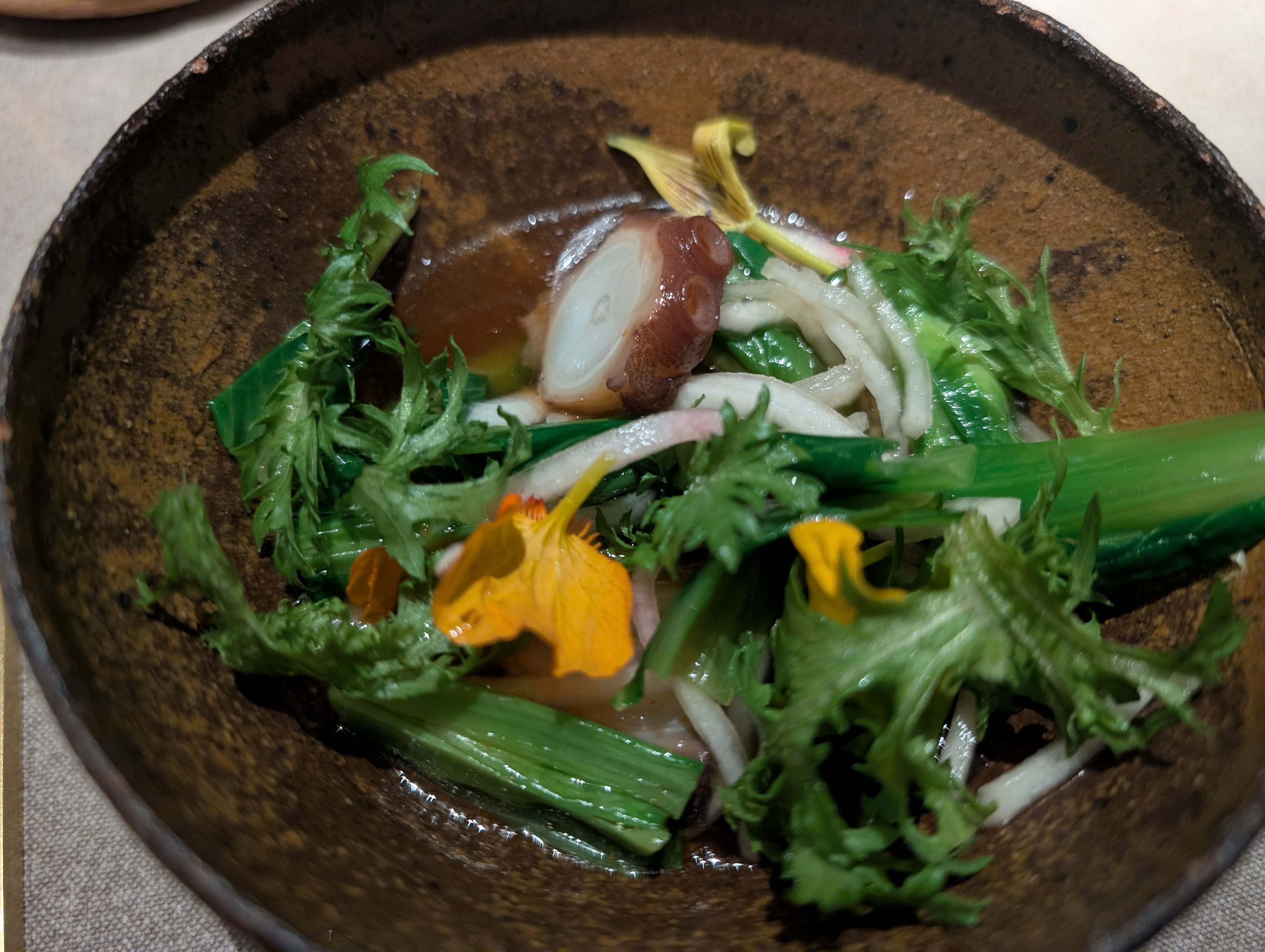
The meal followed what we've come to expect as the traditional Japanese order. First up was a salad that included wasabi leaves and nasturtium petals over fermented octopus in a shrimp broth.
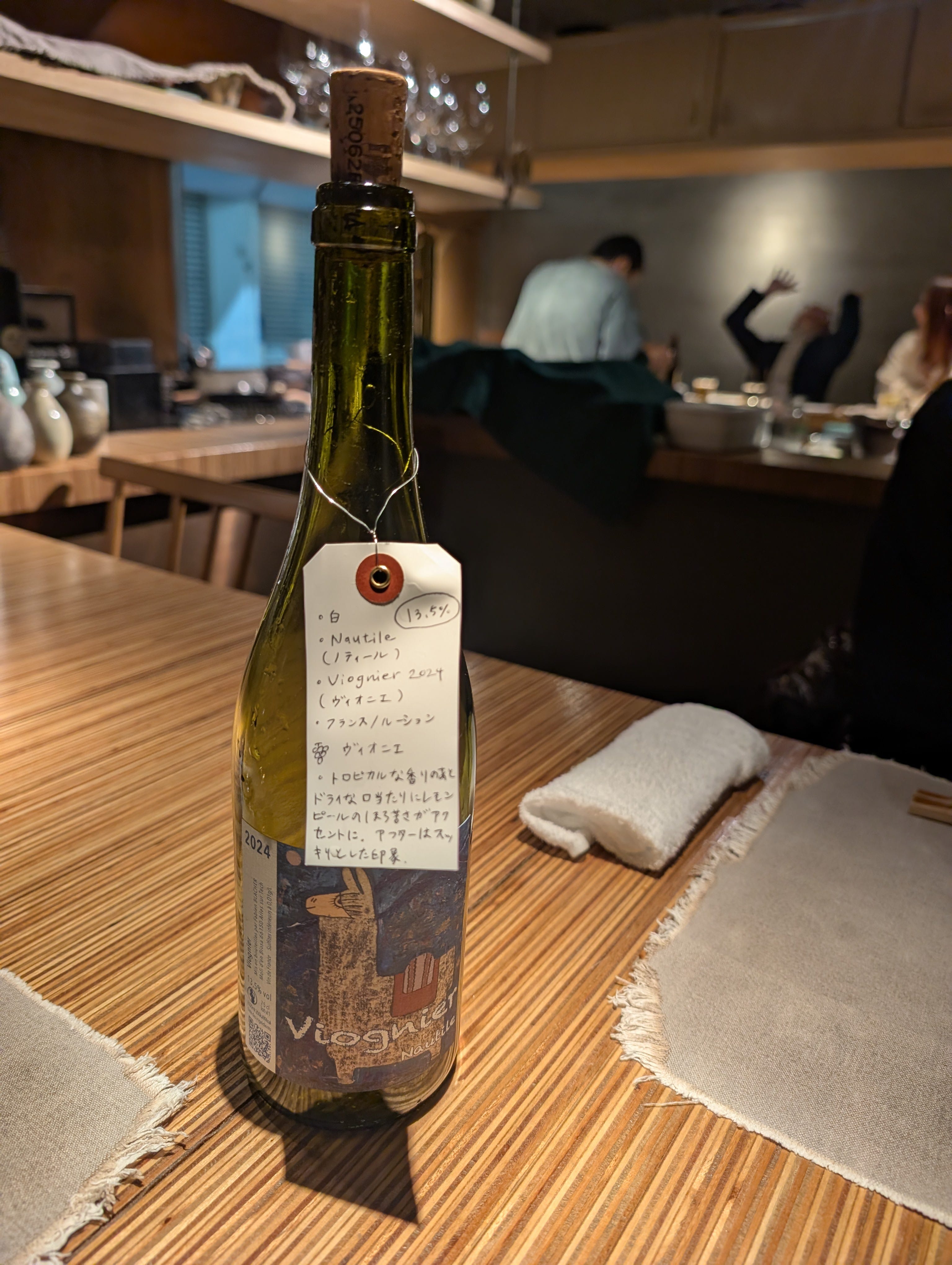
We chose to have wine with each course and the pairings were brilliant. Chosen by the chef, they added new layers to each dish and underscored his deep understanding of the flavors.
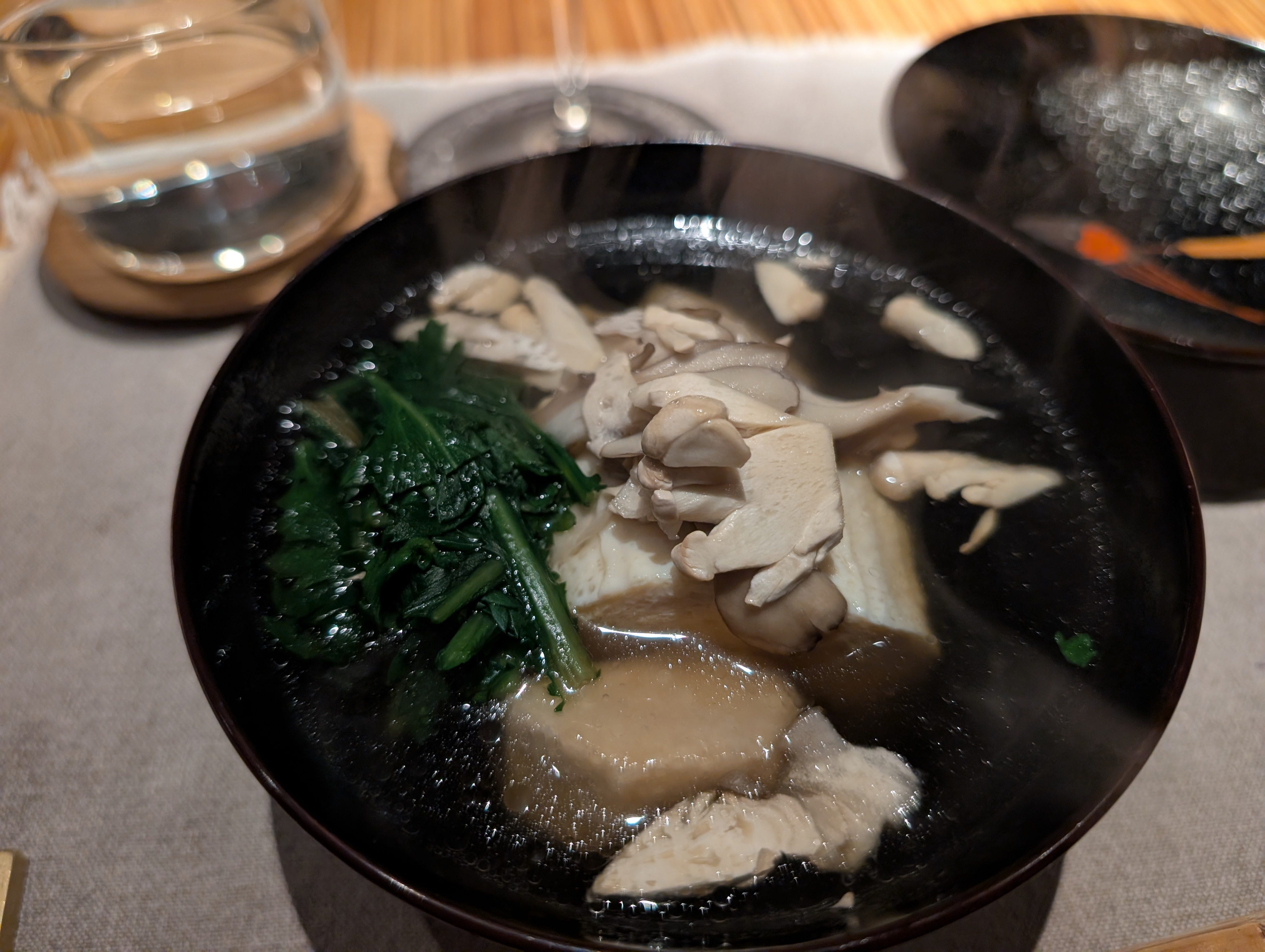
The soup course was a delicate dashi broth seasoned with lemongrass. Also in the bowl were 2-hour steamed taro, maitake mushrooms, and bitter daisy greens surrounding freshly made tamago that was extraordinary, simple yet rich.
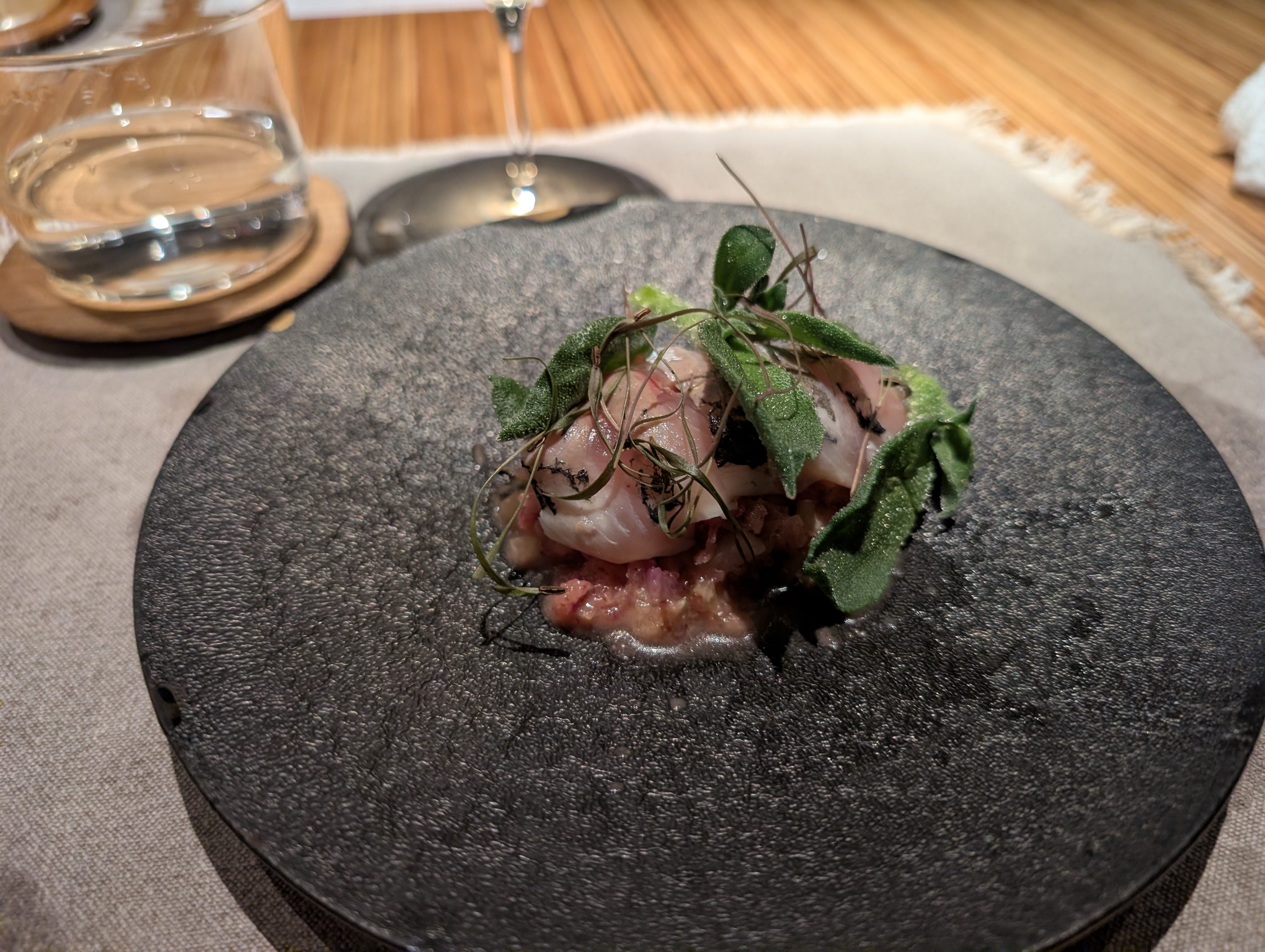
This fermented horse mackerel was seared and served over more minced fish with baby fennel and topped with iceplant leaves. All of the vegetables are grown by a friend of the chef on her organic farm. He told us that she has given birth to seven children at home, that the farm is entirely solar powered, and her car runs on reclaimed tempura oil. He spoke of her with love and not a little awe.
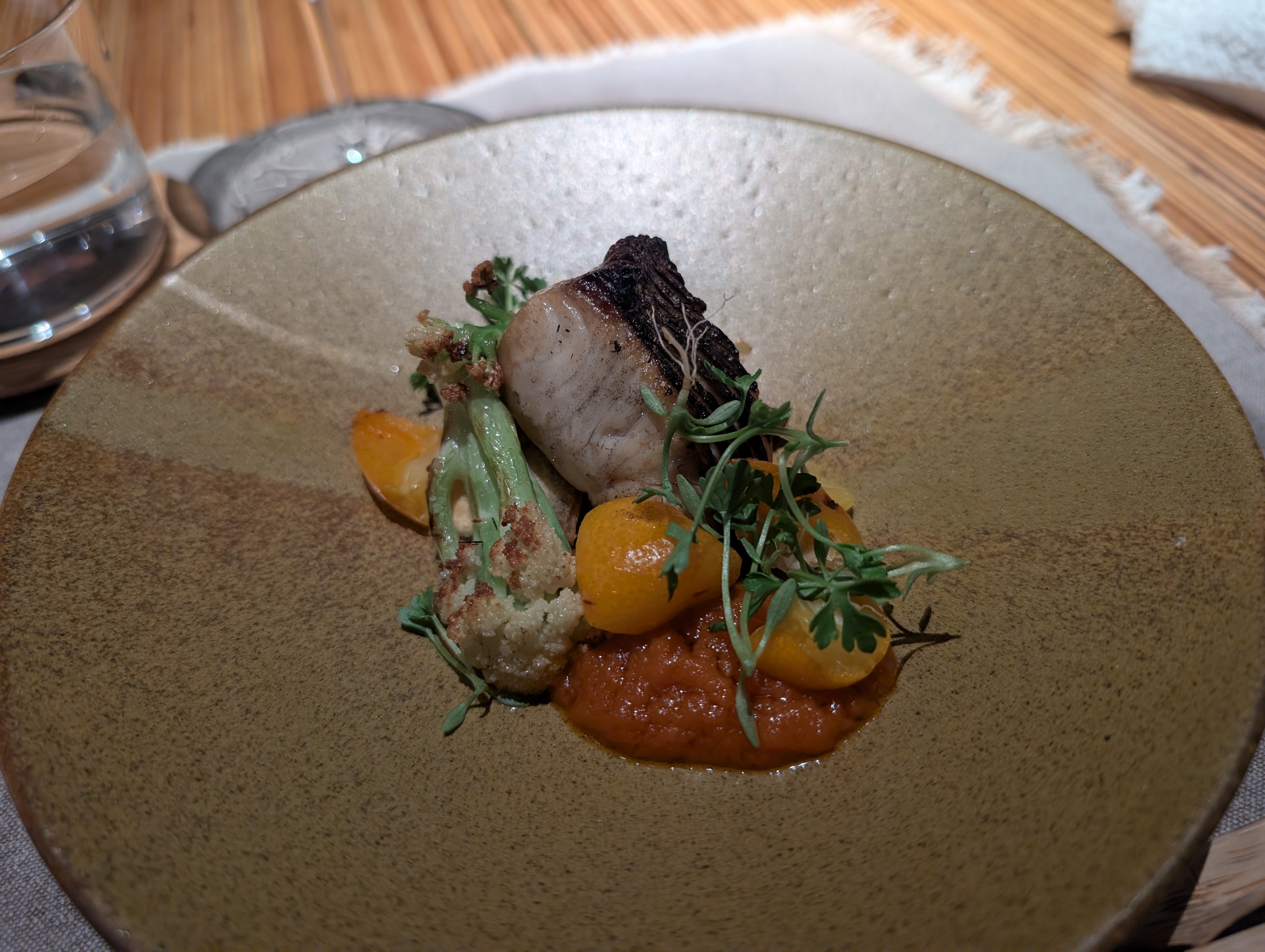
The grilled course was Spanish mackerel with kumquats, cauliflower, and red carrots that even Alice, who does not generally abide carrots, enjoyed.
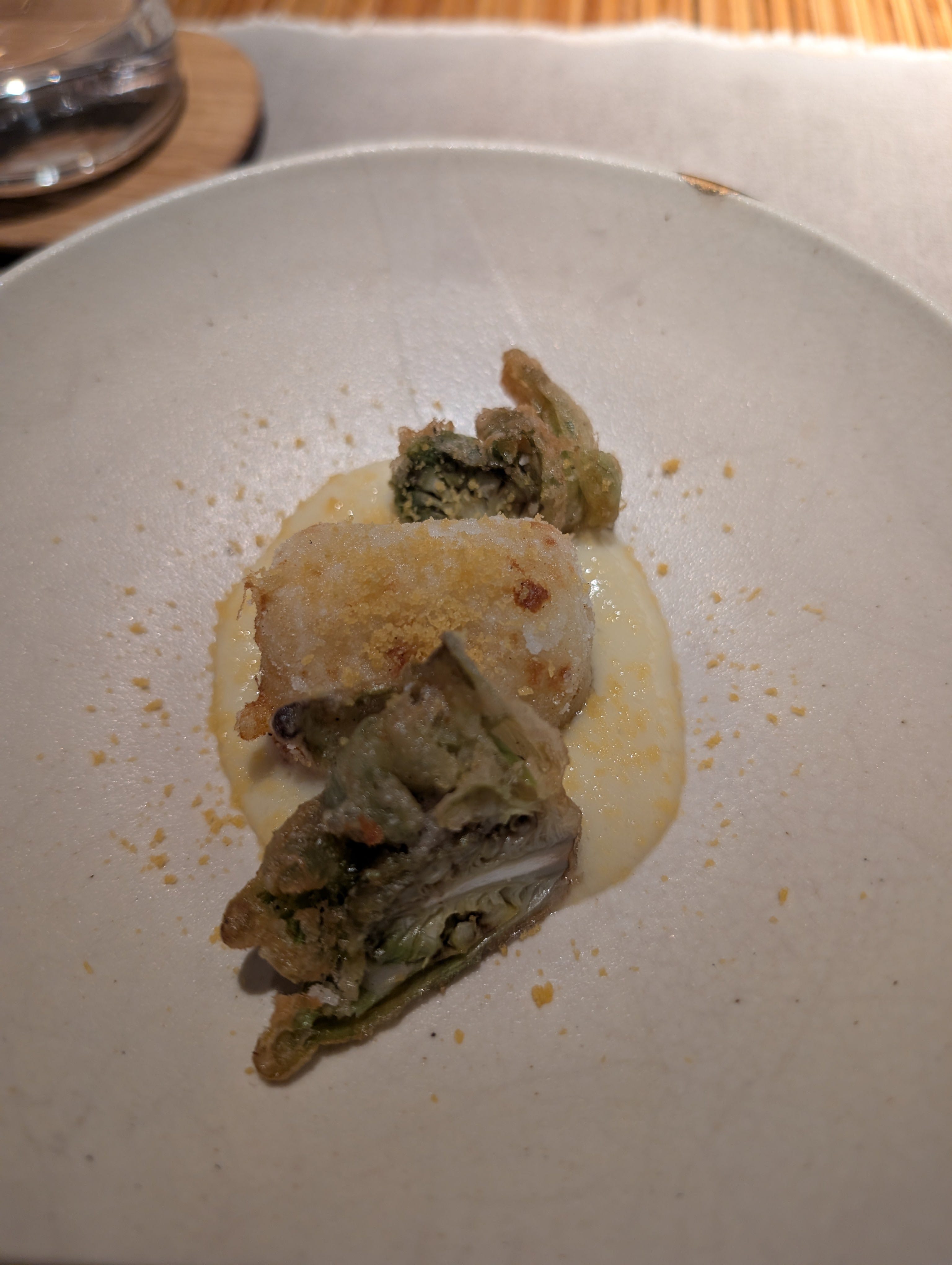
The steamed course was a potato dumpling with battered butterbur, a vegetable we'd never heard of before.

Then we had beautifully steamed and grilled Jerusalem artichokes with more amazing carrots and mushrooms. We managed to tell the chef about the Jerusalem artichoke donuts at Spoke, our favorite restaurant back home, and he looked surprised and thoughtful.
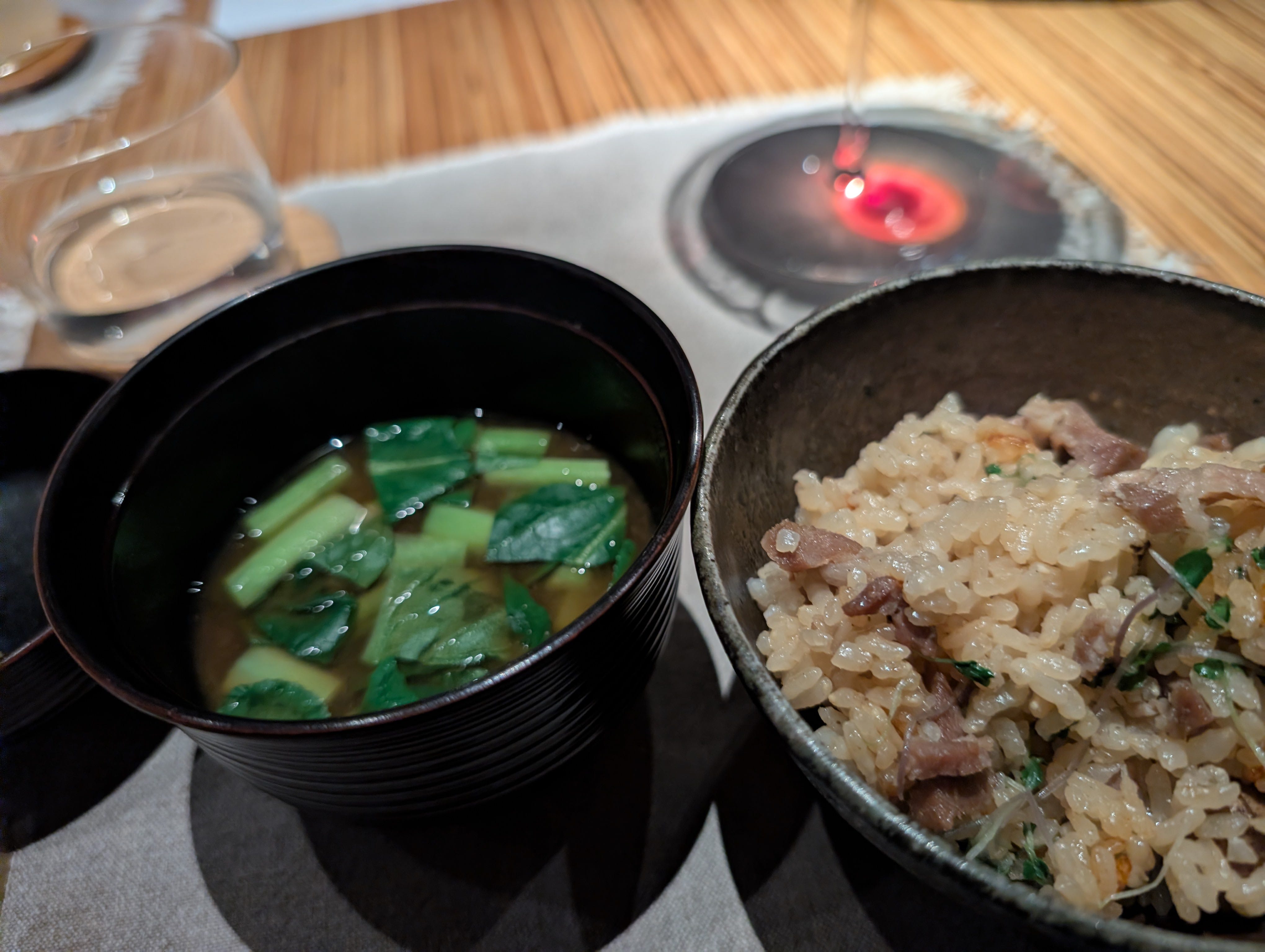
The rice was a mix of brown and white, with ham that the chef had cured himself. He also makes his own miso, which was served with more greens. It is very hard to express how intentional and delicious each bite tasted and how earnestly he spoke about every ingredient and his joy in sharing Hiroshima’s local bounty.
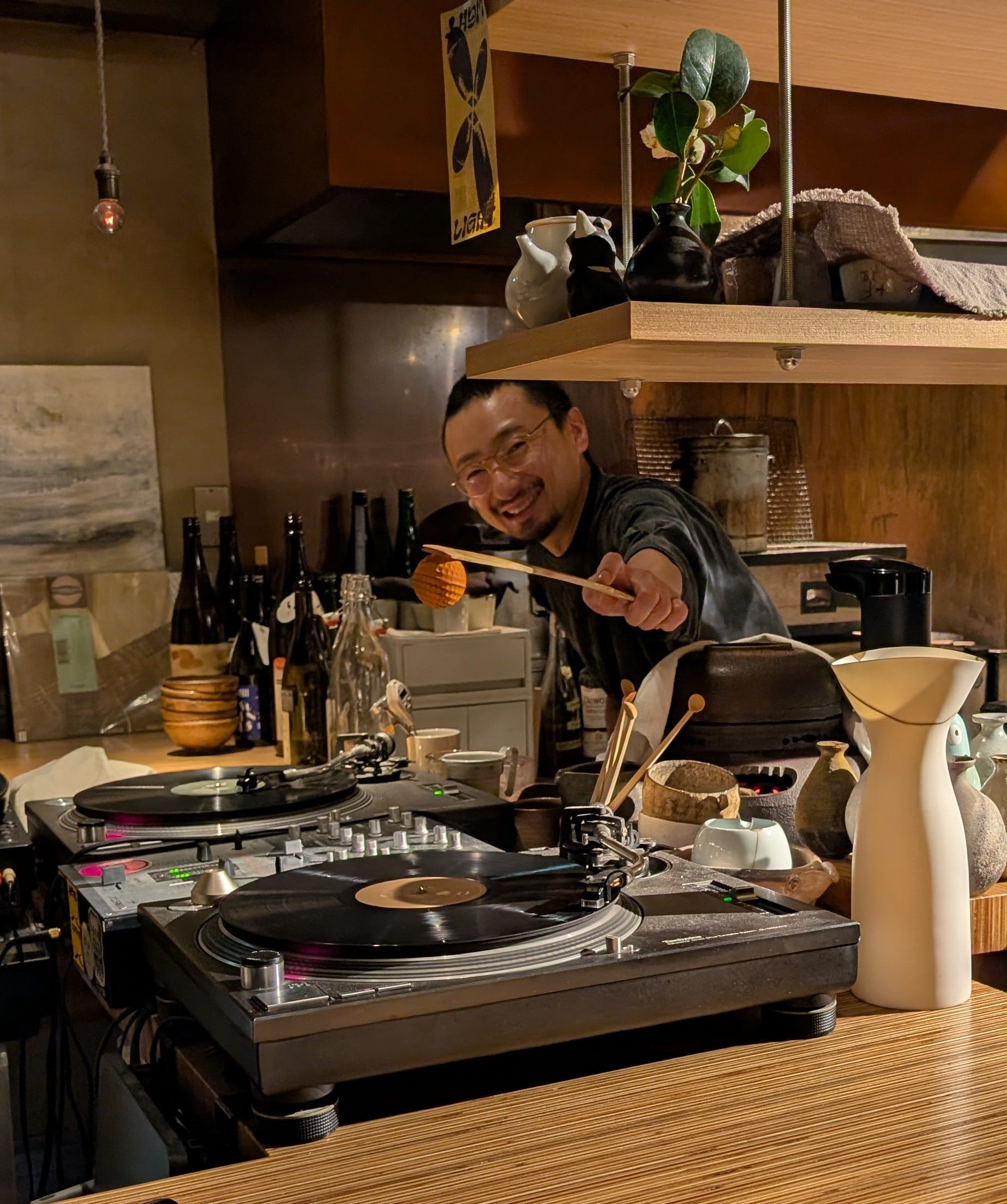
Throughout the meal there was music in the background, but as the meal wound down, the chef began spinning vinyl on two turntables, using a ball glued to a backscratcher to switch between them from the kitchen.
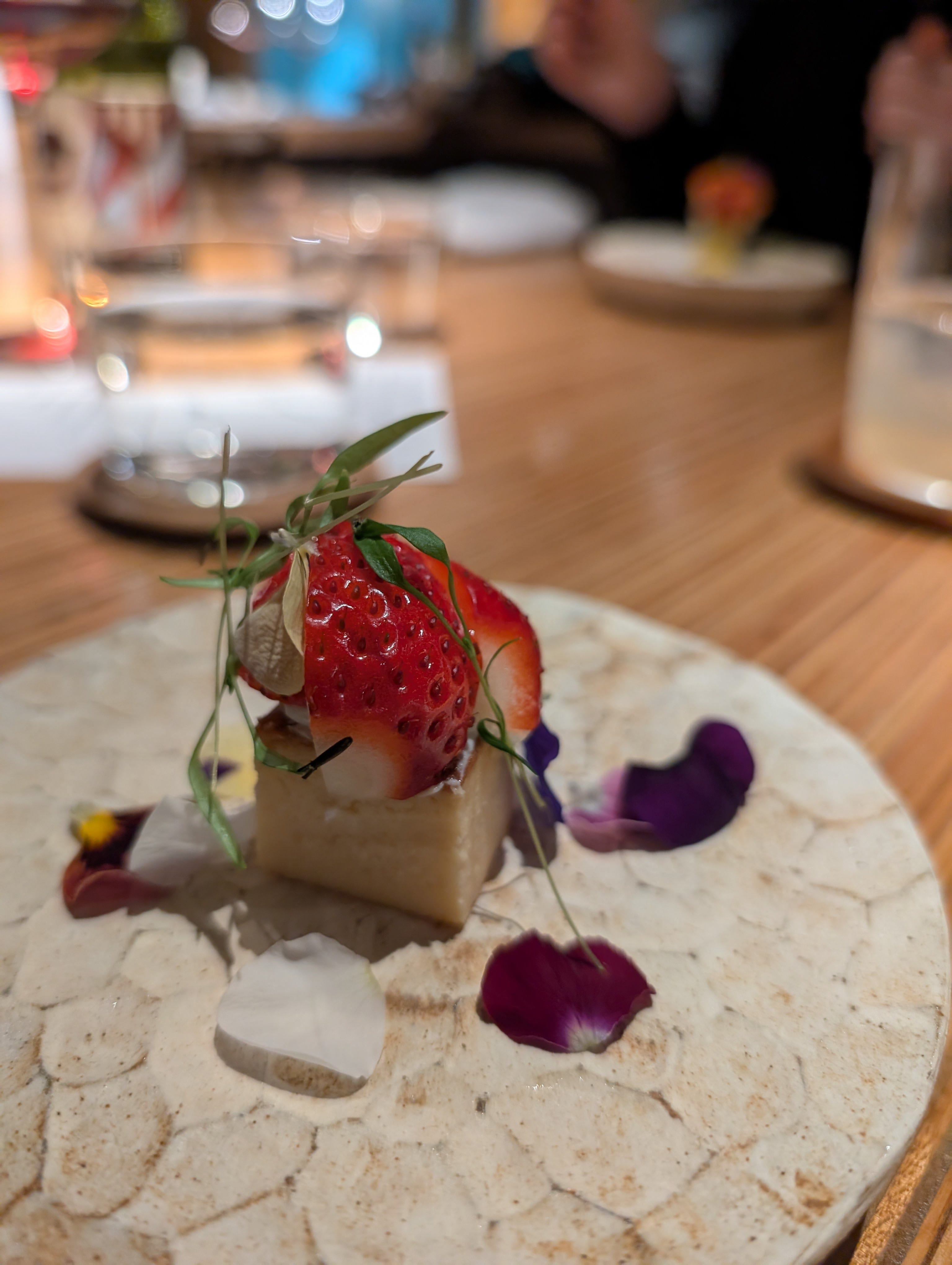
The final bite was cheesecake made with sake lees, served with a perfect strawberry and topped with a few last microgreens. It was the perfect ending to an amazing meal. Jimi Ippo made us feel cooler just for being there and incredibly privileged to be able to enjoy it.
Thank you so much for mentioning me on your blog!I really enjoyed reading your journal.
I’ll definitely visit the restaurant IPPO soon!
The Floating Torii and the Shimose Art Museum look right out of a dream.